Case study · May 2026 · ongoing
Lavendr Coffee
AI ads nobody could tell were AI
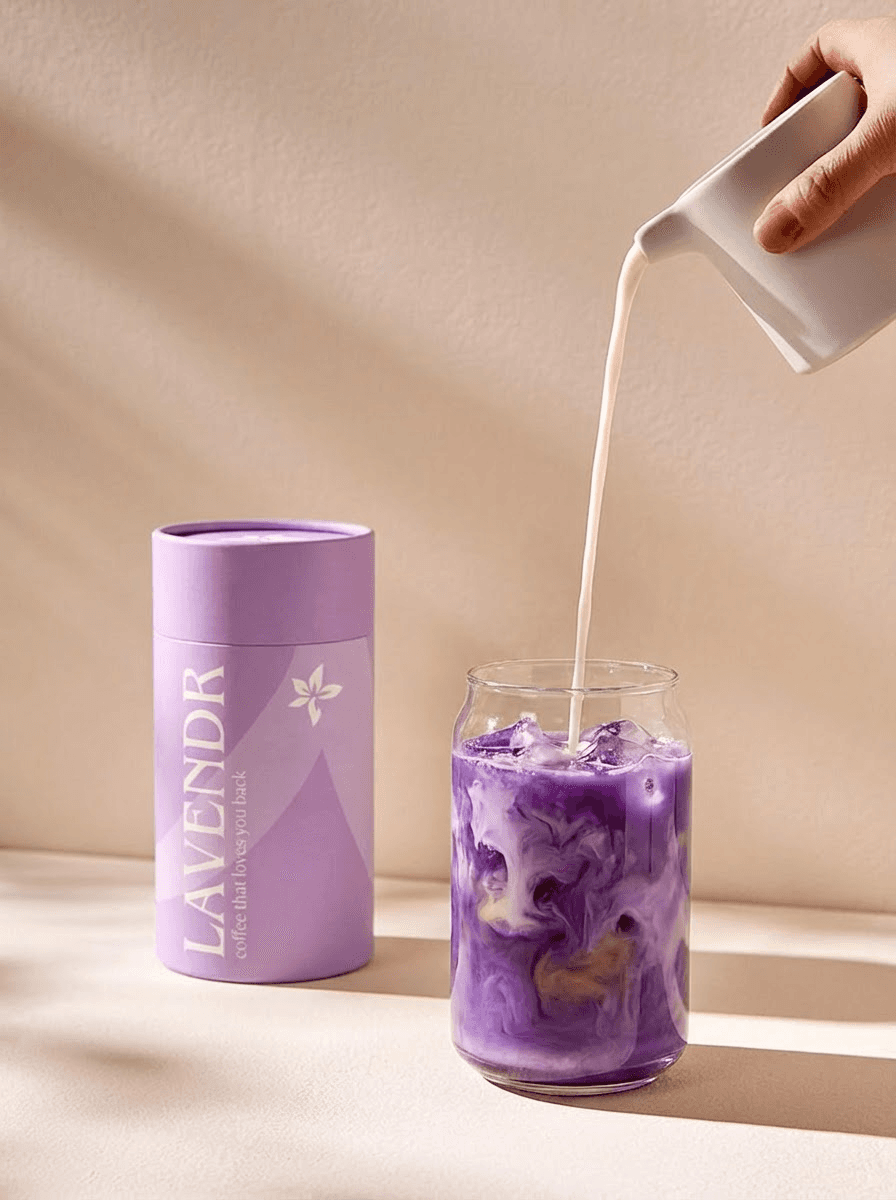
A purple ube coffee brand needed ads that felt like real people filmed them. I built the production system that made AI content pass as UGC, then ran it for 70+ ad sets.
- Role
- Senior Video Editor / AI Content Producer
- Timeline
- Ongoing, weekly batches
- Team
- Solo editor inside the brand's creative team
- Platform
- Meta paid ads
70+
ad sets delivered
1 session
per concept, down from days
4 tools
chained into one pipeline
01
The real problem
Lavendr sells a purple ube collagen coffee. They needed a constant flow of ads that looked like something a real person filmed in their kitchen, not something a computer made.
AI video at the time gave itself away fast. Faces changed between clips, the purple drink came out brown, and every movement felt stiff. Each tool was being used on its own and nothing connected into an actual production system.
It needs to look like a real person filmed this.
The avatar keeps changing between clips.
The product color looks wrong, it's not purple enough.
02
Finding the fix
I mapped the whole pipeline from avatar to export and tested a lot of failed clips until the same three problems kept showing up. Then I built one fix for each.
- Consistent faces: a two-image method. Image 1 is always the avatar reference, Image 2 is always the scene or pose.
- Correct product color: every prompt calls out "lavender purple", with negative prompts blocking brown or dark liquid.
- Natural movement: actions written like a real person doing them casually, not like instructions to a machine.
- One prompt skill file documenting all of it, so every new concept starts from the system instead of from zero.
03
What actually happened
I tested every prompt against reference images before generating finals, which is where most problems got caught early. One example: the mixing tool kept getting coated in white foam mid-clip until I added it to the negative prompt. Fixed on the next run and stayed fixed.
Voiceover evolved too. The first ElevenLabs reads were too clean for casual UGC visuals, so I added emotion cues and pacing markers in v3 until it sounded like someone genuinely talking about a drink they like.
The first concept went out, the client noticed the color and consistency right away, and the same system rolled out across every concept after.
04
What changed
Concepts that took days of trial and error started coming together in one focused session. The feedback flipped completely, and the brand kept coming back with new batches, which is the metric I care about most.
This actually looks like a real person filmed it.
The purple color is finally right.
I can actually see this running as an ad.
05
What I learned
A repeatable system beats a perfect clip. Specific inputs beat clever ones. And the human feel lives in tiny details: a slight camera drift, a slow stir, condensation on the cup.
If I did it again I'd lock the avatar library and the negative-prompt list on day one instead of discovering them through mistakes.
the edits
Next case study
Devi Descartin
The invisible production behind a 5.5M creator